Postponing minor car issues might feel like a smart way to save money today, but it’s often the quickest route to large repair bills, safety risks, and even legal trouble tomorrow. From barely noticeable noises to harmless‑looking warning lights, what seems small now can escalate into major mechanical failures, voided warranties, and costly disputes if it’s ignored for too long.
1. Small Noises Often Signal Big Mechanical Problems
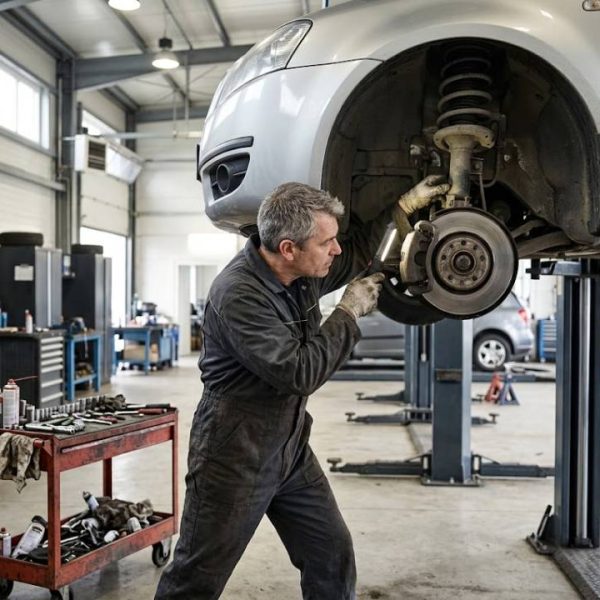
A faint squeal, a periodic clunk, or a soft grinding sound rarely goes away on its own. These noises are early warning signs from key systems like brakes, suspension, or the transmission. When drivers ignore them, normal wear turns into severe component damage.
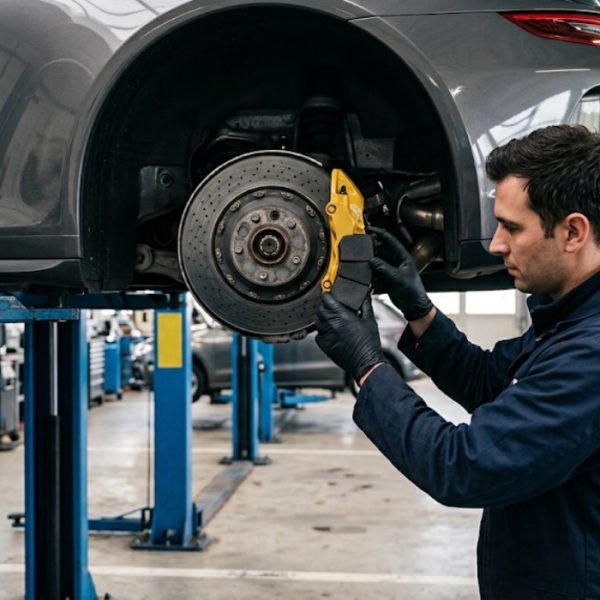
For example, worn brake pads that squeal at low speeds are cheap to replace. Wait long enough, and you may need new rotors, calipers, or even a full brake system overhaul. That’s the difference between a modest bill and a four‑figure repair. Addressing sounds early keeps your vehicle safe and your maintenance costs predictable.
2. Warning Lights Are Cheap Alerts – Until You Ignore Them
Modern cars are full of sensors designed to catch issues before they become critical. The check engine light, ABS warning, airbag light, and tire pressure monitor aren’t suggestions – they’re your car’s emergency messaging system. Delaying a diagnosis can turn a minor sensor issue into catastrophic engine or safety-system failure.
In an increasingly globalized world, these technical alerts and repair recommendations sometimes need to be clearly understood not just by drivers but also by insurers, garages, and even courts in different jurisdictions. When technical reports, invoices, or accident documents must be used abroad, professional French legal translation services help ensure that every detail – from diagnostic codes to service notes – is accurately communicated and legally reliable.
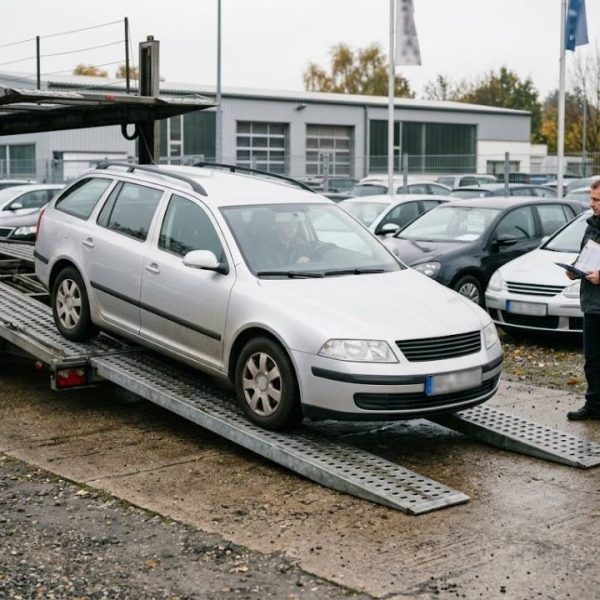
The same logic applies before a car is bought, not just after it starts making noises. Anyone considering a skyline r34 should treat a flickering warning light, a translated diagnostic note or a vague service record as a reason to inspect further, not as a minor detail to wave through. Catching those small problems at the buying stage is far cheaper than inheriting them along with the keys.
3. Neglecting Fluids Quickly Multiplies Repair Costs
Engine oil, coolant, brake fluid, power steering fluid, and transmission fluid are the lifeblood of your car. Low or dirty fluids accelerate wear and create heat and friction that damage expensive components. What begins as a simple fluid top‑off or flush can transform into the need for a new engine, transmission rebuild, or complete brake overhaul.
- Oil: Skipping a few oil changes leads to sludge buildup and internal engine damage.
- Coolant: Old coolant can corrode the radiator and trigger overheating, warping the cylinder head.
- Brake fluid: Moisture contamination reduces braking power and damages seals and lines.
Regular fluid checks and timely service cost far less than major component replacement, and they significantly extend the life of the vehicle.
4. Tire Issues Turn Into Alignment, Suspension, and Safety Nightmares
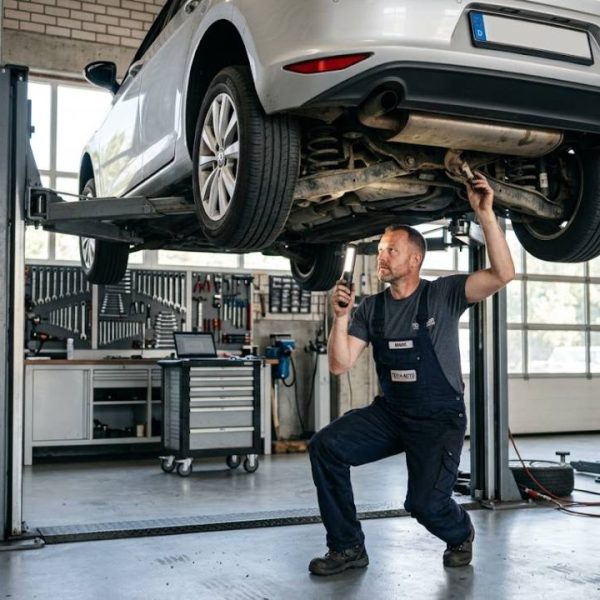
Uneven tread wear, slow leaks, or a subtle vibration in the steering wheel are easy to ignore. Yet tire-related problems can rapidly compromise both safety and budget. Continuing to drive on underinflated or misaligned tires causes them to wear prematurely and strain suspension parts and steering components.
Drivers often discover, too late, that what started as a simple rotation or alignment could have prevented the need for four new tires, tie rod replacements, or a damaged steering rack. Worse, neglected tires drastically increase braking distance and the risk of blowouts at highway speed.
5. Minor Electrical Glitches Can Lead to Serious Failures
A flickering dashboard, a window that occasionally sticks, or an intermittent headlight might not seem urgent. However, these are common symptoms of wiring issues, weak batteries, or failing alternators. If you ignore early signs, you risk full electrical system failure, leaving you stranded and facing towing charges along with complex diagnostics and repairs.
Small electrical fixes—like replacing corroded terminals or a failing relay—are relatively inexpensive. Once wiring looms, control modules, or alternators fail, the repair costs rise quickly, often requiring specialized equipment and labor.
Small car faults get expensive because modern vehicles hide the early symptoms behind software that compensates until it cannot. That dependence is exactly the challenge facing german car companies, whose engineering reputation was built on mechanics rather than code. The diagnostic layer is now as important as the drivetrain underneath it.
6. Cabin Comfort Problems Can Turn Into Mold, Rust, and Health Concerns
A faint musty smell, minor water on the floor mat, or a weak air conditioner is more than a comfort issue. Persistent moisture from clogged drains or failing seals encourages mold growth, damages electronics under the carpet, and can corrode the floorpan and structural metal.
What could have been solved with a quick drain cleaning or seal replacement may turn into expensive rust repair, electrical rewiring, and professional interior cleaning. In addition, mold creates potential health issues for occupants, particularly children or people with respiratory conditions.
7. Skipping “Small” Maintenance Leads to Premature Vehicle Replacement
Routine tasks—filters, belts, spark plugs, and scheduled inspections—may feel optional when the car still “runs fine.” Over time, though, deferred maintenance causes a cascade of failures that make the vehicle unreliable and uneconomical to keep. Belts snap, fuel economy plummets, and components that rely on clean air or fuel wear out early.
Replacing a car years before its expected lifespan is one of the biggest hidden costs of ignoring minor issues. A well-maintained vehicle can safely serve you far longer, providing better resale value and reducing the need for a new-car payment.
8. Overlooking Minor Damage Can Create Legal and Insurance Headaches
Small cracks in windshields, broken lights, or minor body damage often have legal and financial implications. A cracked windshield can obstruct vision, a broken taillight invites traffic stops and fines, and unaddressed body damage can hide structural problems that weaken crash protection.
If an accident occurs and an investigation finds that your car had unresolved safety defects, you may face increased liability, disputes with insurers, or reduced claim payouts. Repairing these issues promptly protects not only your vehicle, but also your legal position on the road.
Acting Early Is the Cheapest Strategy
Most major car repairs begin as minor, inexpensive issues that were easy to ignore. A strange sound, a warning light, or a small leak is your first and best opportunity to stop damage in its tracks. Responding quickly protects your safety, keeps maintenance predictable, supports better resale value, and avoids legal or insurance complications down the line.
The most cost-effective way to own a vehicle is not to avoid the workshop altogether, but to address problems while they’re still small. A short visit to a qualified mechanic today is almost always cheaper—and far less stressful—than a breakdown, a large repair invoice, or a legal dispute tomorrow.