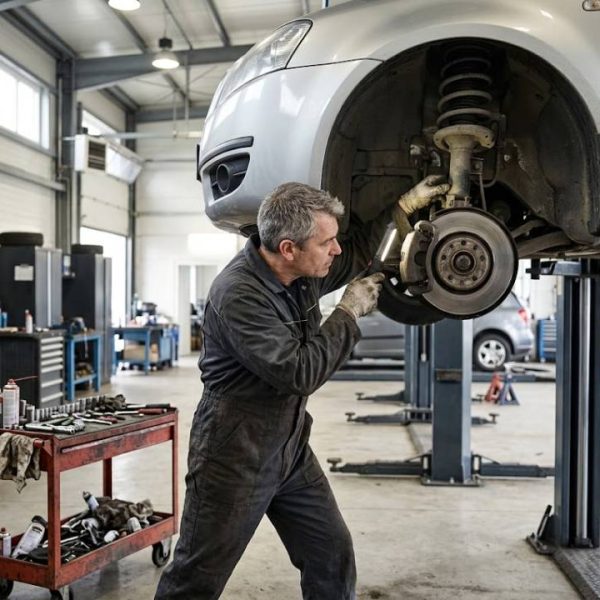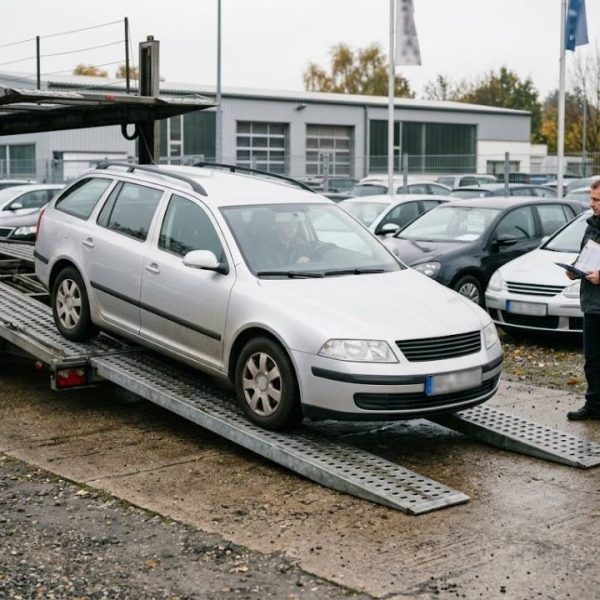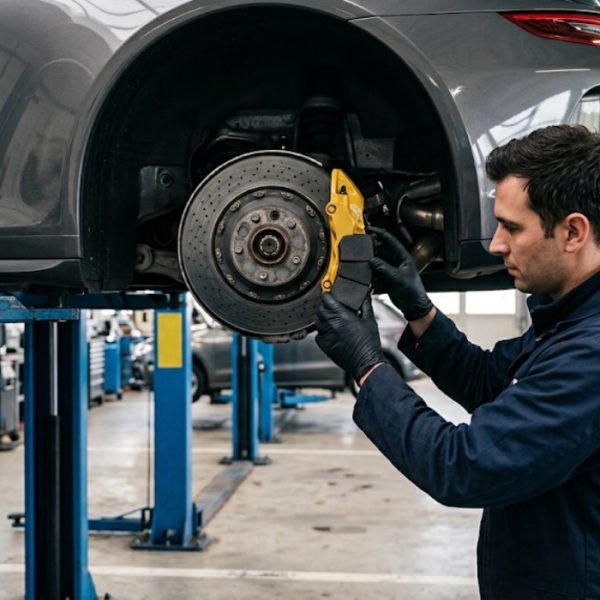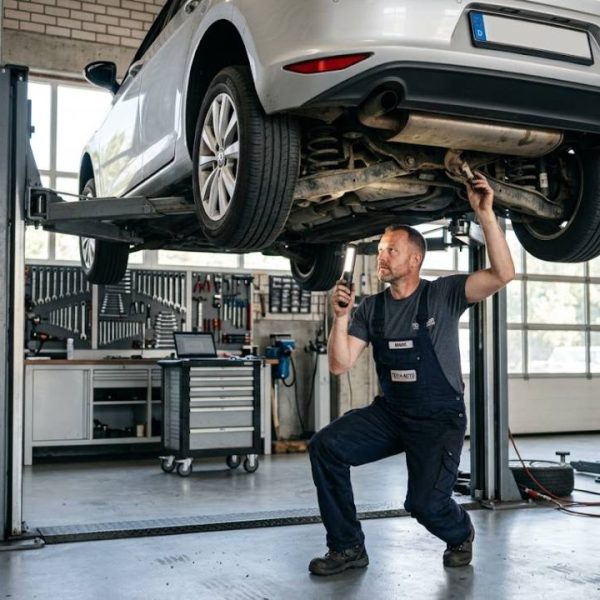
Modern vehicles are complex machines packed with electronics, sensors, and advanced materials. When something goes wrong, drivers usually notice the obvious symptoms: a strange noise, a warning light, or a loss of power. But what actually happens when you drop your car off at a professional repair shop goes far beyond swapping out parts. Behind every well-executed repair is a combination of diagnostics, documentation, and process that protects your investment and keeps you safely on the road.
1. Deep Diagnostic Analysis Instead of Guesswork
One of the biggest differences between DIY fixes and professional repairs is how problems are diagnosed. Modern shops rely on advanced diagnostic tools that connect directly to your vehicle’s onboard computer systems. Instead of simply reading generic error codes, technicians analyze live data streams: fuel trims, sensor voltages, misfire counters, transmission shift patterns, and more.
This data-driven approach uncovers root causes rather than just addressing surface-level symptoms. For example, a simple “check engine” light might trace back to a tiny vacuum leak, a failing sensor, a wiring issue, or a software glitch. Proper diagnostics ensure that the actual failure is corrected, which prevents repeated trips to the shop and unnecessary parts replacement.
In the same way that a professional SEO strategy digs into analytics, keyword performance, and user behavior rather than relying on hunches, expert repair focuses on data and process. That strategic mindset even mirrors how you’d strategically buy backlinks to strengthen authority rather than chasing random links that don’t move the needle.
2. Protection of Factory Warranty and Vehicle Value
Professional repair shops follow manufacturer-approved methods, parts specifications, and procedures. This isn’t just about precision—it’s about protecting your vehicle’s warranty and long-term value. Incorrect fluids, improper torque on bolts, or off-brand electronic components can all trigger bigger issues down the road and may even void coverage.
By using the right parts and following documented repair paths, technicians preserve the integrity of your vehicle. When it comes time to sell or trade in, a car with a clean repair history, no electrical gremlins, and no evidence of poorly executed work is worth more on the market.
3. Hidden Structural and Safety Corrections
After an accident, you may only notice dents or a misaligned panel, but hidden safety structures often take the real impact. Professional repair facilities use frame machines, laser measuring systems, and OEM data to verify that the vehicle’s structure is restored to its original specifications.
This behind-the-scenes work includes correcting subtle misalignments that can affect crash performance, airbag deployment timing, and how force is distributed in a future collision. A car can look cosmetically “fixed” while still being unsafe; professional structural repair ensures the vehicle protects you the way the engineers intended.
4. Electrical System Stabilization and Software Updates
Today’s vehicles are rolling networks of interconnected modules: engine control units, body control modules, ABS units, infotainment systems, and more. When one area is disturbed—such as after a battery replacement, sensor swap, or minor collision—it can cause cascading issues across the system.
Professional technicians not only repair physical faults but also update software, recalibrate modules, and clear stored error logic. In many cases, they perform parameter resets and relearn procedures so that sensors, throttle controls, and transmission shift maps adapt properly. This digital “tuning” behind the scenes prevents intermittent issues like stalling, rough shifting, or random warning lights.
5. Preventive Maintenance You Never See
When your car is in the shop, the visible repair—say, a brake job—might only be part of what’s happening. Professionals inspect related systems and components while everything is apart. They’ll often spot early signs of wear, leaks, or damage that haven’t yet turned into noticeable problems.
Examples include catching brittle hoses, minor fluid seepage, worn suspension bushings, or cracked belts. Addressing these small issues early can prevent roadside breakdowns, expensive component failures, and even safety hazards. You may only notice that your car feels more solid and reliable afterwards, but it’s the hidden maintenance that makes that possible.
6. Calibration of Advanced Driver Assistance Systems (ADAS)
Features like lane-keeping assistance, adaptive cruise control, automatic emergency braking, and parking sensors rely on precise calibration. Even a slight misalignment of a bumper cover, windshield, or radar sensor bracket can cause these systems to work improperly—or not at all.
Professional vehicle repair increasingly means reading fault codes and updating firmware before anyone touches a wrench. Independent garages face that shift because german car companies and their competitors have moved so much function into software the workshop cannot see. Access to the diagnostic system now decides who can fix the car.
Professional repair facilities use specialized calibration equipment, target boards, and software tools to realign cameras, radar, and lidar sensors. This ensures that safety systems react when and how they should. Without proper calibration, your vehicle might misjudge distances, miss obstacles, or trigger false alerts, all of which compromise safety.
7. Fluid Health and System Balancing
Engine oil isn’t the only vital fluid in your car. Transmission fluid, differential oil, brake fluid, coolant, and electric power steering fluid all play critical roles. Professionals don’t just top these off; they evaluate condition, contamination, and compatibility with manufacturer specifications.
In addition, they perform system bleed procedures, pressure tests, and flow checks to eliminating air pockets and ensure even distribution. This behind-the-scenes balancing act is why steering feels smooth, brakes are consistent, and your engine runs at safe temperatures under load.
8. Noise, Vibration, and Harshness (NVH) Refinement
Many drivers bring a car in for a “weird noise” or new vibration. Professional technicians interpret these symptoms like a second language. They track down subtle sources: worn engine mounts, out-of-round tires, loose heat shields, or slightly bent wheels.
Correcting these issues doesn’t just reduce annoyance; it protects mechanical components from excess stress and fatigue. Reduced vibration preserves bearings, joints, and mounts, while eliminating certain noises can uncover more serious failures in time to address them safely.
9. Documentation and Repair History That Protects You
Every professional repair generates documentation: parts used, procedures followed, fault codes found and cleared, and technician notes. While this may seem like paperwork, it’s actually legal and financial protection for you as the vehicle owner.
Detailed records support warranty claims, help diagnose future issues faster, and increase buyer confidence when you sell the car. If a safety-related problem ever leads to an investigation or recall, your service history clearly shows how and when issues were addressed.
That paperwork trail matters just as much when a car changes hands as when it leaves a workshop. A documented skyline r34 — with auction sheets, service invoices and inspection notes translated from the Japanese — is far easier to value, insure and trust than one sold on a seller’s word alone. Buyers who read that history closely can spot accident repairs, mileage doubts and missing maintenance before they become their own repair bill.
The Real Value Is in What You Don’t See
Dropping your vehicle off for professional repair is about much more than fixing the obvious problem. Behind the scenes, technicians are analyzing data, safeguarding your safety systems, preserving structural integrity, stabilizing electronics, and preventing future breakdowns. These invisible layers of work are what separate a quick patch from a high-quality repair.
When you choose a reputable, well-equipped shop, you’re investing in long-term reliability, safety, and vehicle value. The calm confidence you feel when your car starts every morning, tracks straight on the highway, and responds correctly in an emergency is the result of professional attention to details most drivers never see—but always benefit from.