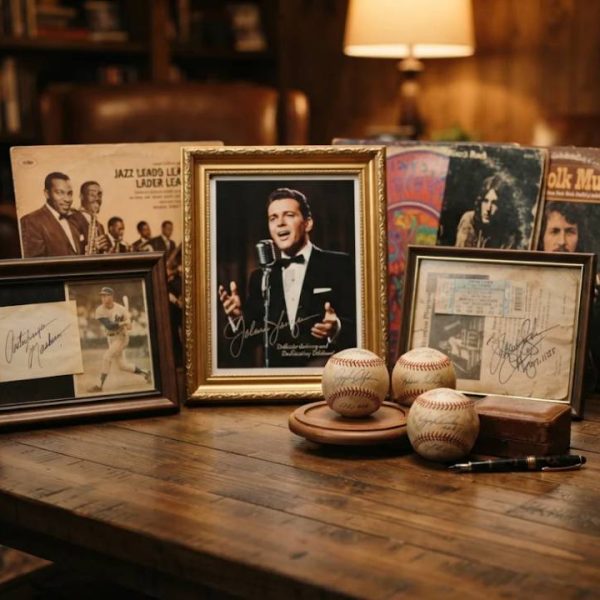
Few hobbies feel as personal as collecting autographs. A signature on a photo, a baseball or a record sleeve connects you with a moment, a performance or a person you admire. But the hobby also has risks, from fake signatures to poor storage. This guide explains how collectors build a collection they can trust, how to check authenticity, how to store and display items and how to handle letters, interviews and documents that arrive in other languages.
Choose a Focus You Love
A clear theme keeps a collection meaningful. Some collectors follow one sport, others focus on musicians, writers, scientists or film stars. A narrow theme makes it easier to learn the market, recognize signatures and set a realistic budget.
The best collections tell a story, and the story starts with a clear focus.
Learn How to Spot Authentic Signatures
Study many verified examples before buying. Compare the slant, speed and pressure of the pen, and notice how a signature changed over the years. Pen type, paper age and the item itself should match the time of the signing. Third party grading and authentication companies such as PSA provide opinions and tamper evident holders that many buyers trust.
If a price looks too good to be true, it usually is.
Buy From Reliable Sources
Reputable dealers, auction houses and signing events offer better protection than anonymous sellers. Ask for photos, provenance and a return policy. Keep every receipt, certificate and message in one folder so you can prove where each piece came from.
Good records raise confidence and value when you sell.
Proof Through Provenance
Provenance is the history of an item. A photo of the signing, a letter from the signer or a ticket from the event adds strong support. Documents like these may be written in other languages, especially for items from abroad, so keep them safe and have them translated if needed.
The more complete the story, the easier it is to trust the item.
Documents in Other Languages
International collecting brings letters, certificates and invoices in many languages. Misunderstanding a sentence can hide a condition problem or a legal detail. Collectors and auction houses often rely on korean translation services to read old letters, verify descriptions and prepare catalogs for foreign buyers.
A careful translation can reveal details that change how you value an item.
Recording Stories and Interviews
Many signers share memories when they meet fans, and those stories add value to the item. Record talks with permission, and save the audio with date and place. Our article on interview transcription explains how to turn recordings into accurate written text that can be stored beside the collectible.
A written record keeps the memory alive long after the event.
Storing Items Safely
Light, heat, humidity and dust damage signatures. Use acid free sleeves, archival folders and UV protective frames. Keep items away from windows and kitchens, and avoid tape or glue. Store records upright and baseballs in clear cubes.
Good storage costs little compared with the cost of replacing a ruined piece.
Displaying Your Collection
Display your best pieces where you can enjoy them, but rotate items to limit light exposure. Use mats and spacers so glass never touches the signature. Add a small card describing the signer, date and story, since a good description turns a shelf into a small museum.
A well presented collection invites conversation and pride.
Attending Signings and Shows
Meeting signers in person is the safest way to get authentic items. Arrive early, bring clean items, check the rules and be polite. Take photos and notes about the event for your records. Conventions and shows are also great places to meet other collectors and learn from them.
Friendly contacts often lead to the best opportunities.
Insurance and Valuation
As a collection grows, its value may become significant. Keep a list with photos, purchase prices and certificates, and ask an insurer about coverage. Valuations change, so review your list every year.
Preparing early prevents stressful surprises after a loss.
Sharing the Hobby With Others
Online groups, local clubs and family projects keep the hobby social. Younger collectors learn from older ones, and stories get passed on. Be honest when you trade or sell, and share what you know about spotting fakes.
A community of careful collectors protects the whole hobby.
Budgeting Without Regret
Set a monthly limit and stick to it. Prices for signed items can rise quickly after a famous event, so patience often pays. Decide in advance which pieces are worth a stretch and which are not, and avoid buying in a rush because of excitement at a show or auction.
A calm buyer usually ends up with a better collection than a hurried one.
Learning From Experienced Collectors
Veteran collectors know the small details that books miss, such as how a signer changed a pen or a pose over time. Join forums, visit clubs and ask questions politely. Many are happy to share what they learned, including stories about mistakes that cost them money.
Free advice from the community can save you real money.
Handling Items With Care
Clean hands and a soft surface prevent most accidents. Hold paper by the edges, avoid touching the signature and never use sticky notes or paper clips. When moving items, use rigid mailers and add padding around frames.
Careful handling is a habit that protects the whole collection.
Passing the Collection On
Think about what will happen to the collection in the future. A written list, a short note about each piece and a trusted contact can help family members or buyers understand its value. Some collectors donate pieces to museums or schools so others can enjoy them.
A documented collection is much easier to pass on than a box of unknown items.